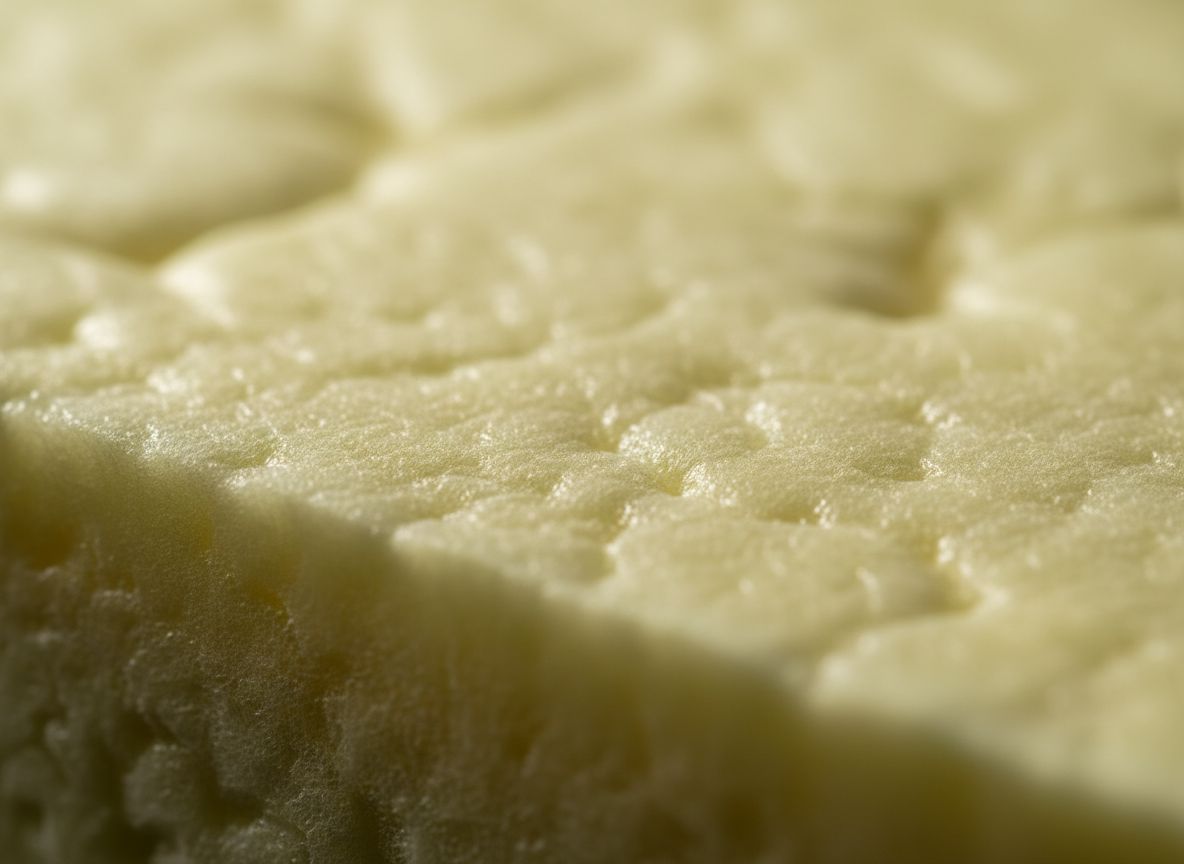
Side by side
| Open cell | Closed cell | |
|---|---|---|
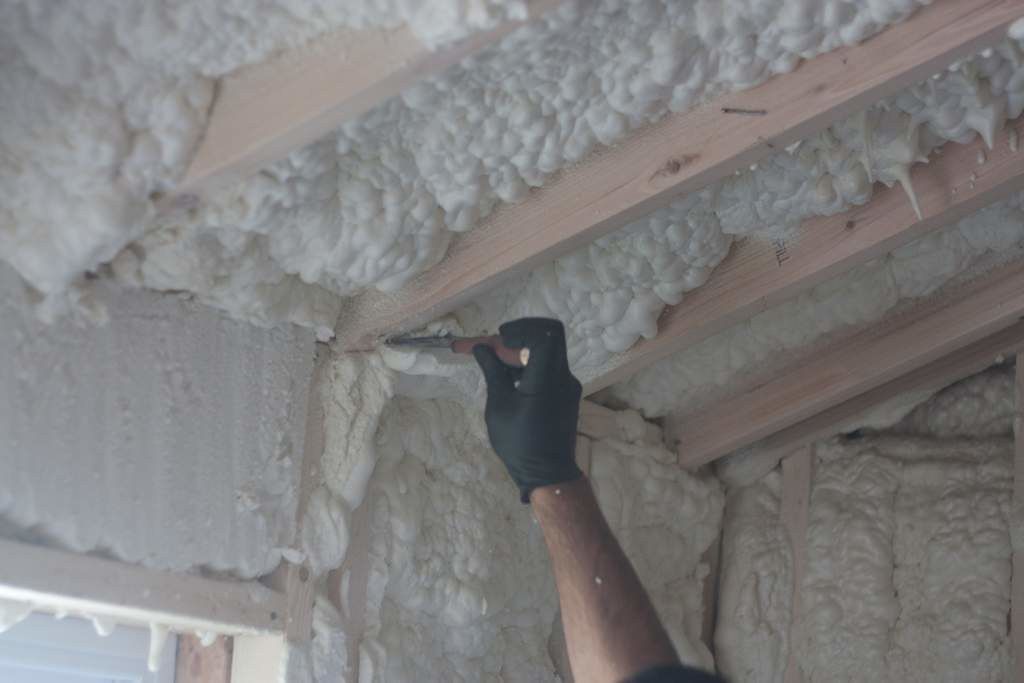
| Feel | Soft, spongy | Hard, rigid |
| Moisture | Lets water vapor pass | Acts as a vapor barrier at the right depth |
| Strength | Adds none | Adds rigidity to walls and roof decks |
| Sound | Good at dampening noise | Less sound dampening |
| Material cost (national) | $0.44 to $0.65 per board foot | $1.00 to $1.50 per board foot |
| Typical use here | Home attics under the roof deck, interior walls | Metal buildings, barndominiums, roofing, crawl spaces, coastal or wet areas |
Cost source: Fixr spray foam cost guide (updated January 31, 2025). National material averages, not FoamLine prices.
When we recommend open cell
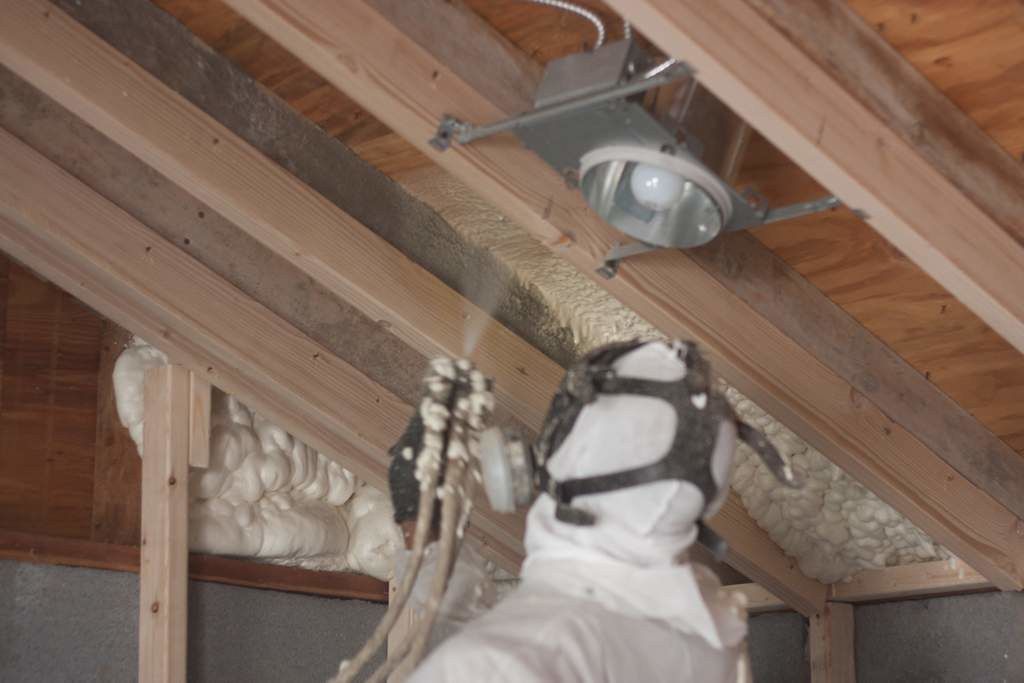
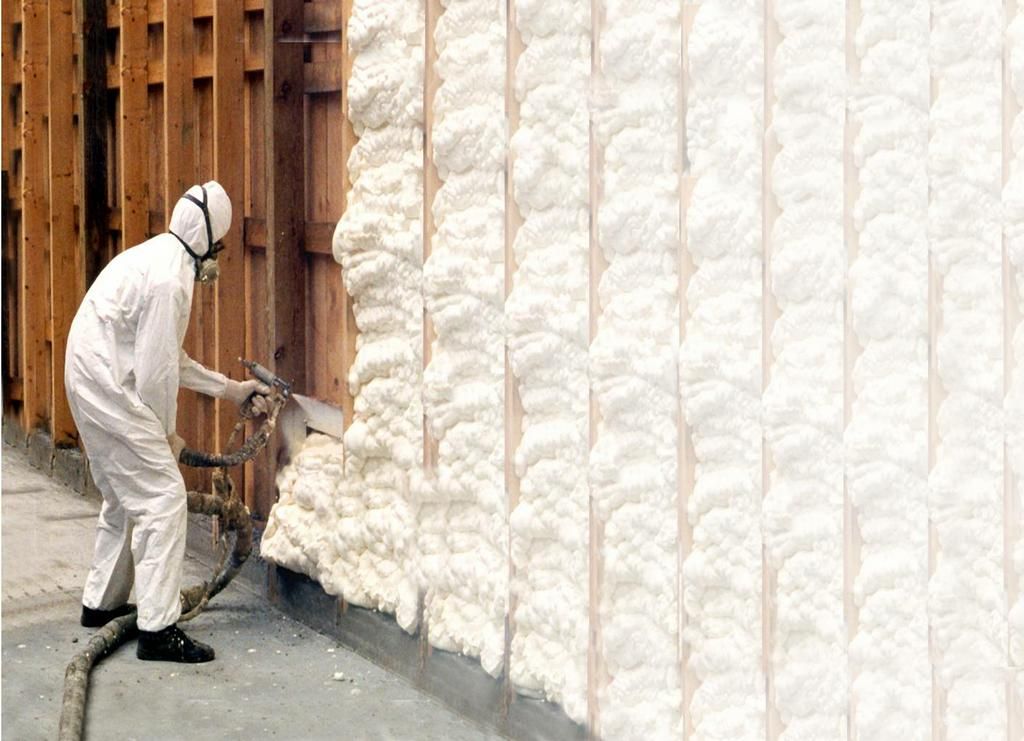
Most single-family attics in San Antonio, where the goal is to bring the attic inside the insulated shell and keep the ducts in cool air. It fills irregular rafters well and costs less per inch.
When we recommend closed cell
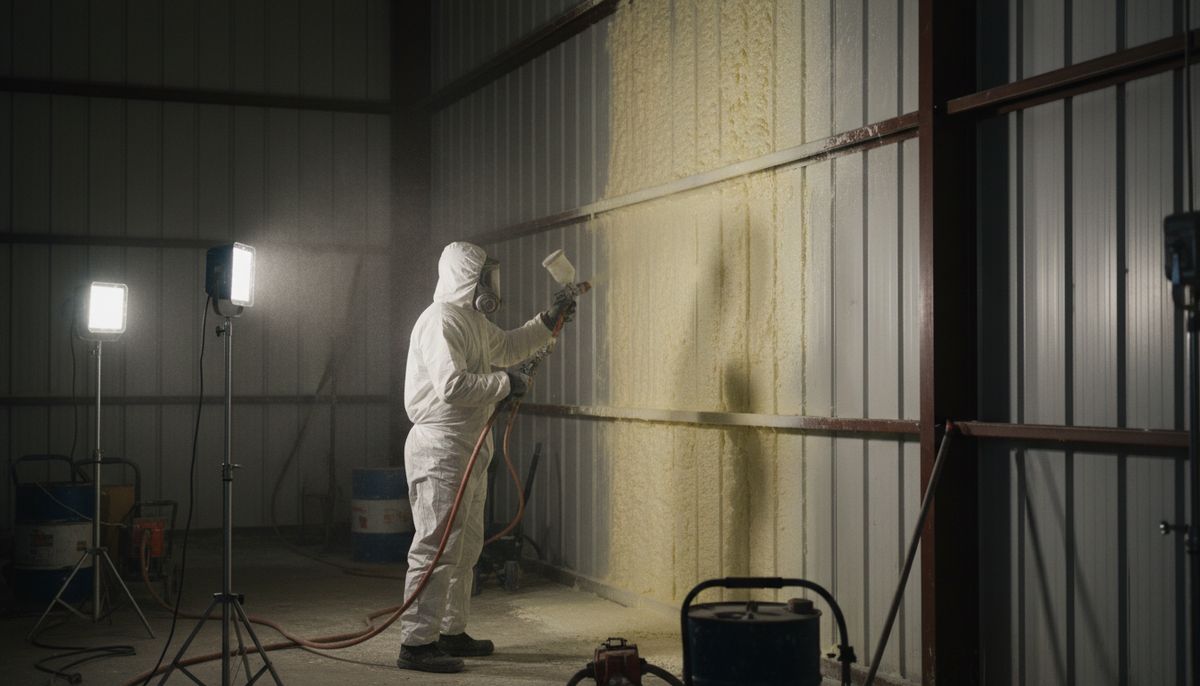
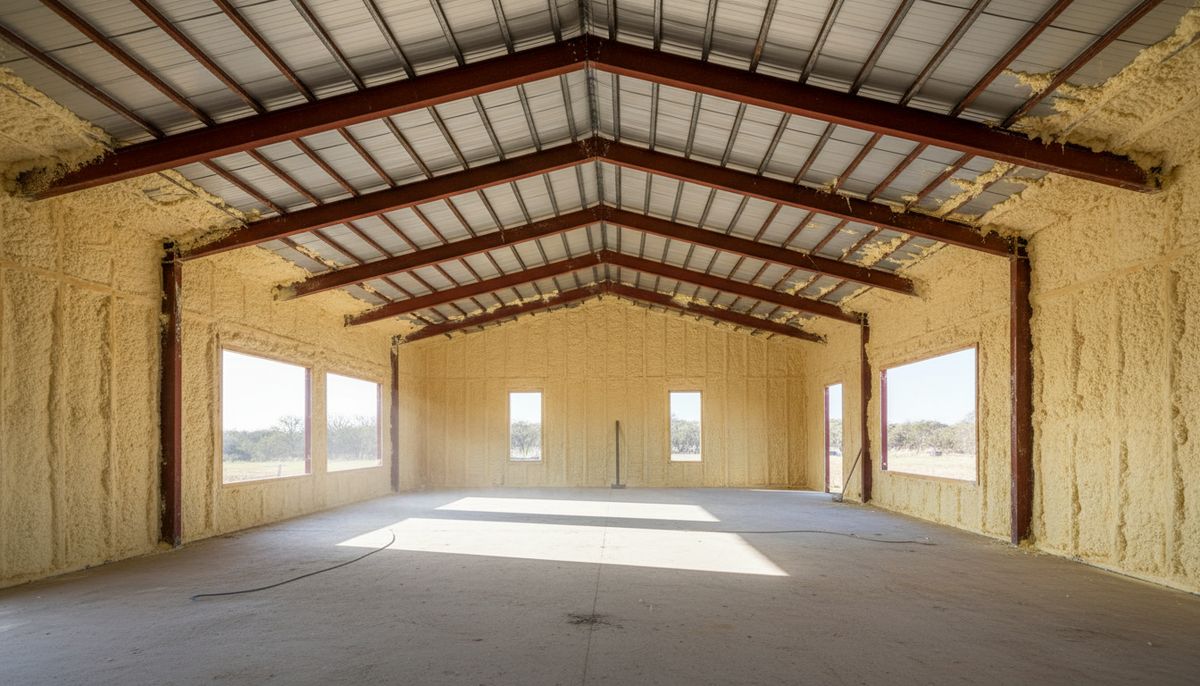
Metal buildings, shops and barndominiums, where warm humid air hits cold metal and drips. Spray foam roofing. Anywhere moisture is a concern, or where added rigidity helps.
Can you mix them?
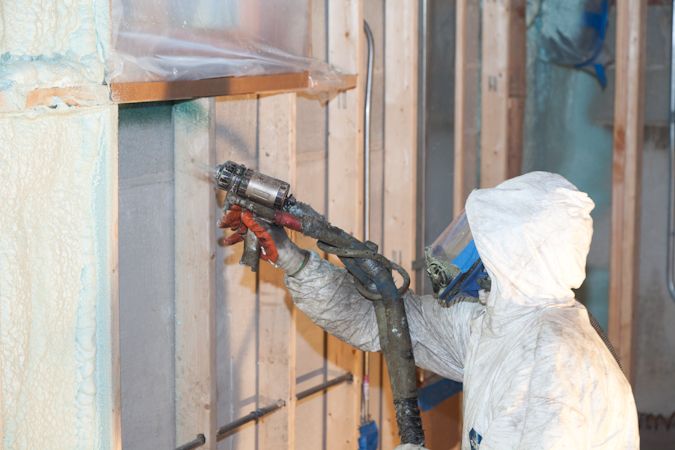
Yes. Some jobs use a thin closed cell layer for moisture control with open cell over it for depth. We spell out every layer in the proposal and in the completion report.